
The Good Leadership Qualities
📖 Table of Contents
- Empathy — The Heart of True Leadership
- Integrity — Leading with Honesty and Accountability
- Curiosity — The Fuel for Growth and Learning
- Humility — The Power of Knowing What You Don't Know
- Resilience — Leading Through Challenges and Setbacks
- Communication — The Bridge Between Ideas and Action
- Collaboration — The Power of Working Together
- Make It Your Way
- Frequently Asked Questions
Leadership isn't about being the loudest in the room or the one who always knows the answer. It's about showing up with empathy, listening more than speaking, and creating a space where others feel safe to grow. I remember one afternoon in my classroom when a student named Maya stood up during a group discussion and said, 'I don't think anyone is hearing what I'm saying.' That moment stuck with me because it revealed how much of leadership is about being aware of the people around you — and how often we miss the signs. The good leadership qualities that make a difference aren't always flashy, but they're the ones that build trust, foster collaboration, and create lasting change.[1]
I've spent the past decade working with teenagers in schools and youth programs. I've noticed a pattern: the most effective leaders are the ones who lead with humility, curiosity, and a genuine desire to help others succeed. These qualities aren't just nice to have; they're essential. When I first started teaching leadership workshops, I used to focus on big, bold traits — like courage or vision — but I soon realized those weren't the qualities that made the biggest impact in the classroom. It was the quiet ones — the ones who listened, asked thoughtful questions, and stepped in when others needed support — that changed the dynamics of the group for the better.
So what exactly are the good leadership qualities that can transform a classroom, a team, or even a community? I've seen the power of empathy in a student who stopped to help a classmate who was struggling with a project. I've witnessed the impact of integrity when a student admitted a mistake and took responsibility for it. These are the qualities that don't just make someone a good leader; they make them a good person. And that's where true leadership begins — not in grand gestures, but in the small, everyday choices that reflect who we are and how we want to be seen by others.[2]
Why You'll Love This Article
- Discover how empathy, humility, and integrity shape effective leadership in youth education.
- Get real-life examples of leadership in action from classrooms and youth programs.
- Learn how to nurture these qualities in students through practical, actionable advice.
- Explore strategies to help young people develop the good leadership qualities that create lasting impact.
Empathy — The Heart of True Leadership
As of September 2026, Empathy is more than just listening — it's about truly understanding the perspective of others. I've seen how a simple act of asking, 'How are you feeling about this?' can transform a classroom dynamic. In one middle school group, a student named Ethan was struggling with a science project. Instead of being told to 'just get it done,' another student named Lila sat beside him and asked questions that helped him figure out the answer on his own. That moment didn't just help Ethan; it showed the group what real leadership looks like.[3]
Empathy also involves recognizing that everyone has different strengths and challenges. When a teacher or peer takes the time to understand where someone is coming from, it fosters an environment where people feel seen and valued. This is especially important in education, where students often carry invisible burdens that can affect their performance and participation.
One of the most powerful ways to develop empathy in students is through reflective discussions. When we ask students to share their thoughts and feelings, we're giving them the tools to understand others and be more present in their interactions. It's a simple but profound way to build the good leadership qualities that create a more inclusive and supportive learning environment.
In group settings, ask students questions like, 'How did that make you feel?' or 'What would you have wanted someone to say in that situation?' This helps them practice empathy and understand others better.
Part of our Teaching leadership qualities at home guide.
Integrity — Leading with Honesty and Accountability
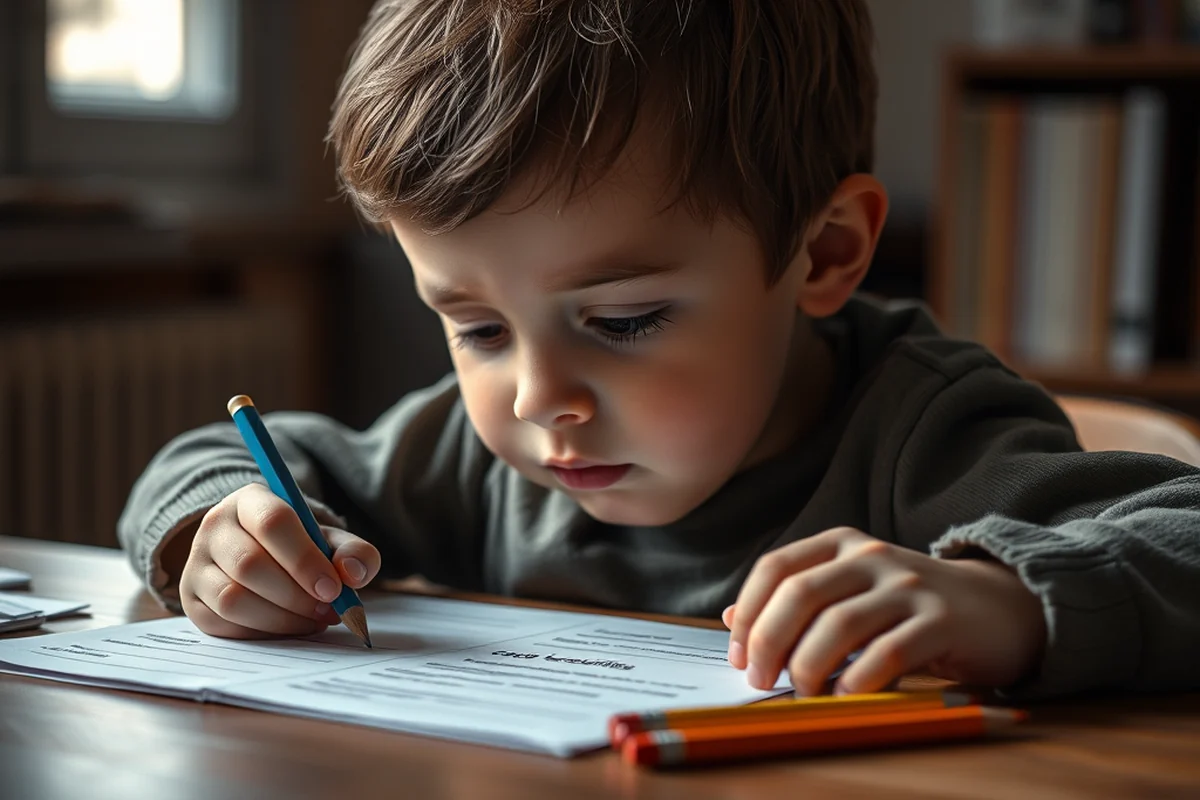
Integrity is about doing the right thing, even when no one is watching. In one high school I worked with, a student named Jamal was caught cheating on a test. Instead of covering it up, he came to the teacher and admitted his mistake. That decision didn't just affect him — it had a ripple effect on the class. It showed other students that honesty is valued and that it's better to take responsibility than to hide mistakes.
Integrity also involves being accountable for your actions. When a leader takes ownership of their decisions, it sets a powerful example for others. In education, this means showing up prepared, following through on commitments, and being transparent about challenges. It's not always easy, but it's essential for building trust and credibility.
One of the best ways to teach integrity is through storytelling. When students hear real-life examples of people who acted with honesty and faced consequences, they begin to understand what it means to lead with integrity. It's a lesson that lasts far beyond the classroom.
Integrity isn't about perfection — it's about doing the right thing, even when it's hard.
Related: Qualities of a good leader
Related: What Makes A Good Leader
Related: Best teaching leadership qualities
Related: Qualities of a leader
Curiosity — The Fuel for Growth and Learning
Curiosity is what makes leaders ask questions, seek out new perspectives, and challenge the status quo. In one of my workshops, a group of students was tasked with solving a problem that none of them had faced before. Instead of giving up, they spent hours brainstorming and researching possible solutions. Their curiosity didn't just help them find an answer — it sparked a deeper interest in learning that extended beyond the workshop.
Curiosity also helps leaders understand the world around them. When a student is willing to ask, 'Why is this happening?' or 'What if we tried this instead?' they're showing a willingness to grow and adapt. This is especially important in education, where the world is constantly changing and new challenges arise every day.
To encourage curiosity in students, I often use open-ended questions that don't have a single right answer. This approach helps them think critically and see the value in exploring multiple perspectives. It's a powerful way to nurture the good leadership qualities that drive innovation and progress.
Instead of asking 'What is the answer?' try asking 'What do you think could happen if we did this?' This encourages students to think creatively and explore different possibilities.
“Leadership isn't about being the loudest in the room or the one who always knows the answer.”— Teaching Leadership to Teens editors
Humility — The Power of Knowing What You Don't Know

Humility is about recognizing that no one has all the answers. In one of my workshops, a student named Aisha was initially hesitant to share her ideas because she felt unsure of herself. But when another student acknowledged her contribution and asked her to expand on her thoughts, it opened the door for her to take a more active role. That moment showed how humility can create space for others to grow and contribute.
Humility also involves being open to feedback and willing to change your perspective. When a leader is willing to listen and learn from others, it fosters a culture of respect and collaboration. In education, this means being open to new ideas and acknowledging that everyone has something to teach — including students.
To develop humility in students, I encourage them to listen more than they speak and to acknowledge when they don't know something. This helps them build confidence in their ability to learn and grow, while also creating a more inclusive environment where everyone feels valued.
Resilience — Leading Through Challenges and Setbacks
Resilience is the ability to bounce back from failure and keep going when things get tough. In one of my high school programs, a student named Luis failed his first leadership assignment. Instead of giving up, he asked for feedback and worked hard to improve. His resilience not only helped him succeed in the long run — it also inspired his peers to keep pushing forward even when things didn't go as planned.
Resilience is also about staying focused on long-term goals, even when progress feels slow. When students learn to see setbacks as opportunities to grow, they develop a mindset that helps them navigate challenges in all areas of life. This is especially important in education, where failure is often a part of the learning process.
To build resilience in students, I encourage them to reflect on their past challenges and how they overcame them. This helps them see that failure is a natural part of learning and that every setback can be a stepping stone to success.
Communication — The Bridge Between Ideas and Action
Communication is the foundation of every successful team. In one of my group projects, a student named Priya took the lead in organizing the team and making sure everyone had a clear role. Her ability to communicate effectively not only helped the project succeed — it also taught the other students the value of clear and respectful communication.
Effective communication also involves active listening and being open to different perspectives. When a leader is willing to listen and understand the needs of others, it creates a more inclusive and collaborative environment. In education, this means creating spaces where students feel comfortable sharing their thoughts and ideas without fear of judgment.
To improve communication skills in students, I often use role-playing exercises and group discussions. These activities help students practice listening, speaking, and expressing their ideas in a supportive setting. It's a powerful way to develop the good leadership qualities that help teams work together more effectively.
Leadership is not about having all the answers — it's about knowing how to ask the right questions.
Collaboration — The Power of Working Together
Collaboration is one of the most important leadership qualities because it allows people to combine their strengths and achieve more than they could alone. In one of my workshops, a group of students was tasked with creating a presentation on a complex topic. Instead of dividing the work and going their separate ways, they worked together to ensure everyone's ideas were included. Their collaboration not only produced a more comprehensive presentation — it also created a stronger sense of community within the group.
Collaboration also involves being open to different perspectives and willing to compromise. When a leader is able to bring people together and find common ground, it fosters a culture of respect and shared purpose. In education, this means creating opportunities for students to work together and learn from each other.
To develop collaboration skills in students, I often use team-based activities that require everyone to contribute. These experiences help students understand the value of working together and how their individual strengths can benefit the group as a whole.
🧑🏫 Youth Leadership Workshop
A hands-on program for middle school students focusing on empathy, communication, and teamwork.
🧑💼 High School Leadership Retreat
A week-long experience for high school students exploring leadership, integrity, and resilience.
👧 Group Activity for Preschoolers
A play-based activity that introduces young children to the basics of empathy and collaboration.
🗣️ No-Prep Leadership Discussion
A quick, flexible discussion for any group that focuses on curiosity, integrity, and communication.
🧠 Extension Activity for Advanced Learners
A deeper exploration of leadership qualities through case studies, reflection, and real-world application.
| The mistake | Why it happens | The fix |
|---|---|---|
| Focusing only on big traits like charisma or confidence | This can lead to a narrow understanding of leadership and overlook the quiet, everyday qualities that truly make a difference. | Focus on developing a wide range of leadership qualities, including empathy, integrity, and humility, which are often more impactful in the long run. |
| Not providing opportunities for students to practice leadership skills | Without hands-on experience, students may struggle to apply leadership qualities in real-world situations. | Create opportunities for students to practice leadership in group projects, discussions, and collaborative activities. |
| Assuming that leadership is only about being the leader | This can create a rigid hierarchy and discourage others from contributing their ideas and strengths. | Encourage a more inclusive model of leadership where everyone has a role to play and is valued for their contributions. |
| Not addressing the emotional needs of students | Leadership without empathy can feel cold or disconnected, making it harder for students to trust and follow others. | Take the time to understand the emotional needs of students and create a supportive environment where they feel heard and valued. |
The Good Leadership Qualities
Common Questions
How can I teach empathy to young students?
What is the best way to encourage integrity in students?
How can I help students develop resilience?
What are some effective ways to improve communication skills?
References
- Listening as a Leader | Illinois Leadership® Center (blogs.illinois.edu)
- Leaders - Quality Schooling Framework (CA Dept of Education) (cde.ca.gov)
- Mindful leadership: The ability of the leader to develop compassion ... (files.eric.ed.gov)
Cite this guide
Teaching Leadership to Teens (2026). The Good Leadership Qualities. https://leadingleap.com/the-good-leadership-qualities/
Feel free to cite or share this guide.