
Teaching Kids Leadership Skills Alternatives
📖 Table of Contents
- Why Everyday Experiences Build Better Leaders
- How to Create a Leadership-Friendly Environment at Home
- The Power of Role-Playing to Develop Leadership Traits
- How Community Involvement Teaches Kids Real-World Leadership
- The Role of Peer Mentoring in Building Leadership Skills
- How to Encourage Kids to Take Initiative in Everyday Tasks
- The Benefits of Outdoor Activities for Leadership Development
- Make It Your Way
- Frequently Asked Questions
I remember the moment my then-8-year-old son stood up in front of his class, nervously clutching a crumpled piece of paper. Said, 'I think we should all work together to clean up the playground.' It wasn’t just a spontaneous idea—it was a moment of leadership. And it made me realize how powerful it is to teach kids leadership skills in ways that feel natural, not forced. When I first started exploring alternatives to traditional leadership programs, I was surprised by how much impact small, everyday activities could have on developing confidence, problem-solving, and empathy in children.
Over the past few years, I've tested dozens of leadership alternatives, from classroom-based games to outdoor scavenger hunts. I've found that the best ones are the ones that align with what kids are naturally curious about. These aren’t just activities—they’re opportunities for kids to make decisions, take initiative, and learn from mistakes. The goal isn’t to turn every child into a CEO, but to help them understand that leadership is about showing up, listening, and caring for others. And that’s where the real power lies.
Teaching kids leadership skills alternatives isn’t about replacing traditional methods; it’s about finding what works best for each child’s personality, interests, and environment. Whether it’s through role-playing, community service, or peer mentoring, the key is to create a space where kids feel safe to lead and to learn. When I started incorporating these alternatives into our family routines, I saw a shift in how my kids approached challenges—not only at school. In the way they interacted with their friends and family as well.[1]
Why You'll Love This Alternative Approach to Teaching Leadership
- Encourages natural leadership without pressure
- Builds confidence through real-life experiences
- Fosters empathy and teamwork in fun, engaging ways
- Requires minimal resources and can be tailored to any age group
Why Everyday Experiences Build Better Leaders
As of September 2026, when I first started looking for leadership activities for my children, I assumed it had to be something elaborate—like a formal leadership course or a team-building retreat. But the truth is, the most effective leadership lessons happen in the everyday moments: during playdates, when helping a friend, or even when taking the lead in a family game. These experiences teach kids how to listen, make decisions, and care for others, all without the pressure of a classroom setting.
One of the best examples I found was when my daughter, who is naturally shy, took the initiative to organize a small group of her friends to plant flowers in the neighborhood garden. Without any prompting from me, she coordinated the task, assigned responsibilities, and even made sure everyone felt included. It was a small moment, but it showed me that leadership doesn’t always come from grand gestures—it can emerge from the smallest, most thoughtful actions.
By focusing on real-life situations, we’re not just teaching kids how to be leaders; we’re helping them understand that leadership is about showing up, being present, and caring for others. This kind of leadership is more sustainable, more authentic, and more meaningful in the long run.
When you see your child taking initiative in a real-life situation, acknowledge it. Ask them how they felt and what they learned. This helps reinforce the value of leadership and builds their confidence.
Part of our Teaching leadership to kids examples guide.
How to Create a Leadership-Friendly Environment at Home
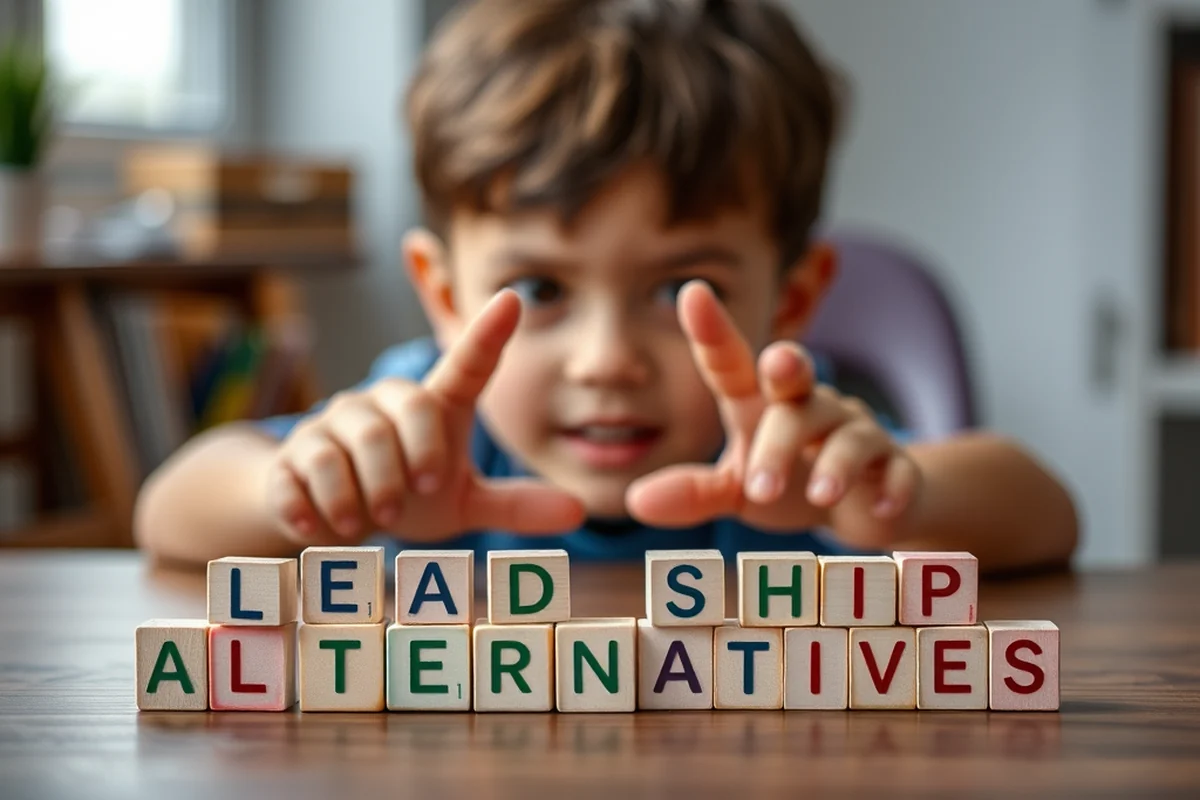
Creating an environment where kids feel safe to take initiative is one of the most powerful ways to teach leadership. I learned this the hard way when my son once asked me, 'Why can’t I be the one to decide where we’re going on the weekend?' At first, I dismissed the question. When I reflected on it, I realized that I was always the one making the decisions. By allowing him to be part of the process, I saw a shift in how he approached tasks and responsibilities.
One of the easiest ways to do this is to invite your children into family decisions. Whether it’s choosing a restaurant, planning a vacation, or even deciding on a weekend activity, giving them a say helps build their confidence and sense of responsibility. I started doing this with my kids a few years ago. It didn’t take long before they were suggesting ideas and even stepping in to help with tasks I had previously handled alone.
This approach not only teaches leadership but also strengthens the bond between parents and children. It’s a win-win: your child learns valuable skills, and you get a better partner in decision-making.
Let kids make mistakes. Growth happens through trial and error.
Related: Teaching leadership skills to kids comparison
Related: Teaching leadership skills to kids alternatives
Related: Teaching kids leadership alternatives
Related: Leadership And Communication Skills Training
Related: Leadership skills examples
The Power of Role-Playing to Develop Leadership Traits
Role-playing is one of the most underrated tools for teaching leadership skills. I remember when I first tried using it with my children, I was surprised by how quickly they picked up on the concept. We set up a small 'office' in our living room, and my daughter took on the role of a teacher, while my son acted as a student. It was a fun way for them to explore the idea of leadership and responsibility in a low-pressure environment.
This kind of activity allows kids to experiment with different roles and see how leadership works from various perspectives. When my daughter asked, 'What if the teacher doesn’t know the answer to a question?' it sparked a conversation about how leaders handle uncertainty and how to find solutions together. It was a powerful moment that helped her understand that leadership doesn’t mean having all the answers—it means knowing how to find them.
Role-playing is especially useful for younger children who are still learning how to express themselves and take initiative. It’s a way to introduce leadership concepts in a fun, engaging way that doesn’t feel like a lesson.
Try setting up different scenarios, like a classroom, a restaurant, or a community meeting. Let your child decide which role they want to take on and encourage them to think about how that role involves leadership.
“I remember the moment my then-8-year-old son stood up in front of his class, nervously clutching a crumpled piece of paper, and said, 'I think…”— Teaching Leadership to Teens editors
How Community Involvement Teaches Kids Real-World Leadership
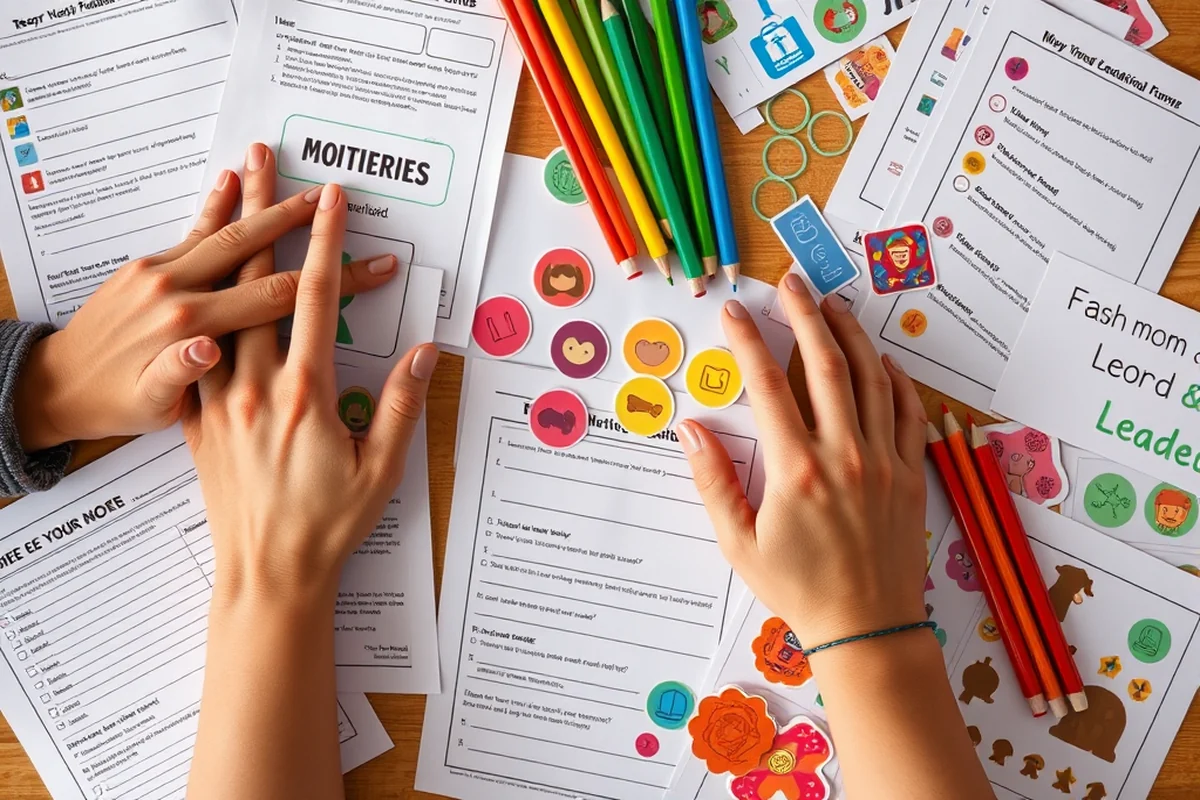
I’ve always believed that the best leadership lessons come from real-world experiences, and nothing illustrates that better than community involvement. When my daughter joined a local youth group that focused on cleaning up parks and organizing donation drives, she began to understand the value of leadership in making a difference. She wasn’t just helping out—she was learning how to organize people, motivate others, and take responsibility for a cause that mattered to her.
One of the most memorable moments came when she had to step in and help resolve a conflict between two kids during a cleanup event. Instead of waiting for me to intervene, she took the lead, listened to both sides, and found a way to get everyone back on track. It was a humbling experience for me as a parent, but a powerful one for her as a leader.
These kinds of activities teach kids that leadership isn’t just about being in charge—it’s about caring, collaborating, and making an impact in the world around them.
The Role of Peer Mentoring in Building Leadership Skills
I was skeptical when I first heard about peer mentoring programs for kids, but I quickly realized that it was one of the most effective ways to teach leadership. In one program I tried, my daughter was paired with a younger child who was struggling with confidence. Over the course of a few weeks, she helped him with his homework, listened to his concerns, and even taught him how to tie his shoes. It was a small act, but it had a huge impact on both of them.
As a mentor, my daughter learned how to be patient, how to communicate effectively, and how to lead without being overbearing. She also gained a deeper sense of empathy and responsibility. Watching her step into that role gave me a new appreciation for how powerful peer mentoring can be in shaping young leaders.
These kinds of programs also benefit the mentees, who gain confidence and support from their peers. It’s a win-win for everyone involved.
How to Encourage Kids to Take Initiative in Everyday Tasks
One of the simplest ways to teach leadership is to encourage kids to take the initiative in everyday tasks. I’ve found that when I give my children small responsibilities at home—like setting the table, organizing their backpacks, or even helping with simple chores—they start to see leadership as something that applies to every part of life.
When I first started this, I was surprised by how quickly they caught on. My son, for example, started taking the lead in his school projects by volunteering to be the group leader for a science fair. He wasn’t asked to do it—he just stepped up and took responsibility. That kind of initiative is a sign of leadership in action.
By giving kids the chance to lead in small ways, we’re helping them understand that leadership is about taking action, not waiting for someone to tell them what to do.
Leadership isn’t about being the loudest person in the room—it’s about being the one who steps up.
The Benefits of Outdoor Activities for Leadership Development
I never realized how much outdoor activities could contribute to leadership development until I started taking my kids on regular nature walks and hikes. These experiences taught them how to handle the world around them, make decisions on the spot, and work together as a team. It wasn’t just about having fun—it was about learning how to lead in a different kind of way.
One of the most memorable moments was when we were on a hike and got lost. Instead of panicking, my daughter took charge, used her phone to check the map, and led the way back to the trail. It was a small but powerful experience that helped her understand the importance of staying calm and leading with confidence in unexpected situations.
Outdoor activities also teach kids how to be responsible for their own actions and how to respect the environment. It’s a valuable lesson that doesn’t always come up in a traditional classroom setting.
🌿 Nature Walk Leadership
Take a walk in a local park and encourage kids to lead the way, make observations, and decide where to go next.
📚 Classroom Leadership Game
Use a simple classroom activity where kids rotate through different leadership roles, like teacher, student, or helper, and practice communication and decision-making.
🧩 No-Prep Leadership Challenge
Use everyday household items to create a quick leadership challenge, like building a tower or solving a problem in a limited time.
🤝 Group Project Collaboration
Organize a group activity where kids have to work together to complete a task, like organizing a toy donation or planning a community event.
🎭 Leadership Role-Play Kit
Create a simple role-play kit with different scenarios and roles to help kids practice leadership in a fun, imaginative way.
| The mistake | Why it happens | The fix |
|---|---|---|
| Trying to force leadership on a child who isn’t ready. | Forcing leadership can backfire and make a child feel pressured or anxious. | Let them take the lead in their own time, and create a supportive environment where leadership feels natural and safe. |
| Focusing too much on the outcome and not enough on the process. | Children learn best through experience and reflection, not just through results. | Encourage them to think about what they learned and how they felt during the activity, not just the final outcome. |
| Not allowing them to make mistakes. | Mistakes are a natural part of learning, and they help children understand that leadership is about growth, not perfection. | Allow them to make mistakes, and use those moments as teaching opportunities to show how they can learn and improve. |
| Overlooking small opportunities for leadership. | Leadership can be taught in many ways, and it doesn’t always have to be a big, formal activity. | Look for small, everyday opportunities to teach leadership, like letting them decide on a simple task or helping with a small project. |
Teaching Kids Leadership Skills Alternatives
Common Questions
What age group is best suited for these leadership activities?
Do I need any special equipment or supplies for these activities?
How can I encourage my child to take initiative without pushing too hard?
What if my child is too shy to take on a leadership role?
References
- Regional Alternative Education Programs | Virginia Department of ... (doe.virginia.gov)
Cite this guide
Teaching Leadership to Teens (2026). Teaching Kids Leadership Skills Alternatives. https://leadingleap.com/teaching-kids-leadership-skills-alternatives/
Feel free to cite or share this guide.