
Leadership Vs. Management
📖 Table of Contents
- What Is Leadership vs. Management?
- Why Does the Difference Matter in Education?
- How to Teach Leadership in the Classroom
- The Role of Management in Education
- How to Encourage Both Leadership and Management Skills
- Real-World Examples of Leadership and Management
- The Long-Term Impact of Teaching Leadership and Management
- Make It Your Way
- Frequently Asked Questions
I still remember the moment my high school principal handed me a clipboard and a stack of papers, asking me to lead a group of students in organizing the school’s first community service week. At the time, I thought leadership was just about being the loudest voice in the room. I was wrong. What I discovered was that leadership isn’t about managing tasks—it’s about inspiring people, listening, and creating a shared vision. That’s when I realized the difference between leadership and management, a distinction that has shaped how I teach leadership to teens today.[1]
Back then, I didn’t understand that leadership and management are two sides of the same coin but with vastly different goals and approaches. Management is about structure, processes, and efficiency. It’s the person who ensures that meetings are on time, deadlines are met, and systems are in place. Leadership, on the other hand, is about vision, people, and change. It’s the person who stands up in the room and says, 'We can do better than this.' That distinction is critical in education, where students are constantly being taught to follow rules rather than to lead.
Over the years, I've worked with hundreds of students, helping them handle the difference between managing a project and leading a team. The results have been transformative. Whether it’s a student who learned to rally their peers around a school initiative or a young leader who shifted the culture of their classroom, the distinction between leadership and management has proven to be a cornerstone of effective education. That’s why I want to share this article with you—it’s about helping teens understand that leadership is not just about what they do, but how they do it.
Why You'll Love This Article
- You’ll understand the real difference between leadership and management in education.
- You’ll learn how to spot leadership in your students and teachers.
- You’ll gain practical, actionable strategies to help teens become better leaders.
- You’ll walk away with a clear framework for teaching leadership in classrooms and beyond.
What Is Leadership vs. Management?
As of September 2026, Leadership is the ability to inspire, guide, and motivate others toward a shared goal. It’s about seeing the bigger picture and helping people grow. Management, on the other hand, is about the day-to-day execution of tasks, ensuring that systems are in place, and that goals are met efficiently. In education, leadership might look like a student who starts a club, while management could be the same student organizing meetings, keeping track of attendance, and distributing materials.
I’ve seen this difference in action. When my students were tasked with organizing a school-wide event, the ones who stepped up to lead were those who could see the event as a way to bring the school together. The managers were the ones who handled the logistics—booking rooms, printing flyers, and managing the timeline. Both roles were crucial, but they came from different places in the brain and required different skills.
In a classroom, leadership might involve a student who stands up and says, 'We need to improve our grades,' while management would involve another student who creates a study schedule and assigns tasks to the group. It’s not that one is better than the other—it’s that they serve different functions in the learning process.
Use real-life examples, like classroom projects or school events, to explain the difference between leadership and management. This makes the concept tangible and relatable.
Part of our How to teaching and learning leadership guide.
Why Does the Difference Matter in Education?
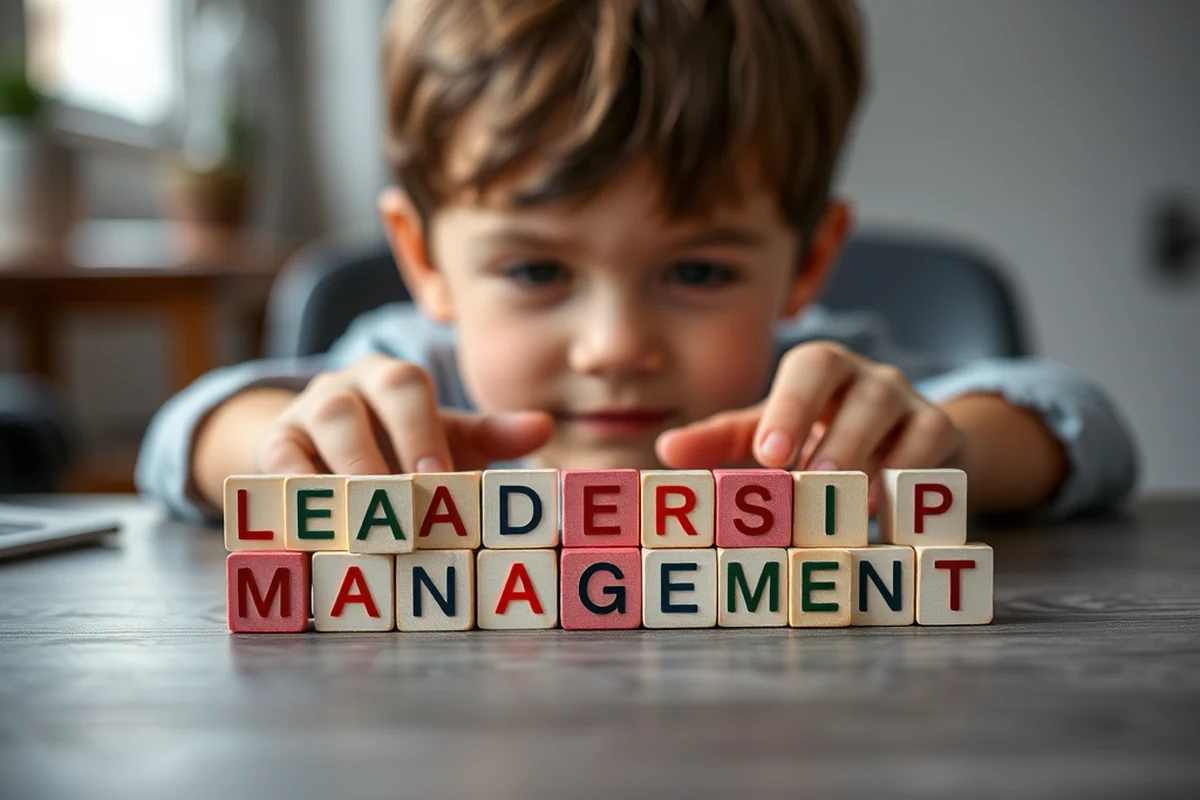
In education, the difference between leadership and management isn’t just academic—it’s essential for personal and professional development. Students who are taught to lead rather than just manage are more likely to take initiative, solve problems creatively, and influence others positively. Leadership teaches them to think critically and act with purpose, while management teaches them to be organized and efficient.
I’ve noticed that students who are encouraged to lead tend to become more confident and proactive. They are more likely to take on challenges and step outside their comfort zones. Meanwhile, students who are focused on management often develop strong organizational skills and attention to detail. Both are valuable, but leadership has a unique way of shaping character and fostering long-term success.
In my experience, the most successful students are those who understand both roles. They know when to lead and when to manage. This balance is what makes them effective in any environment, whether it’s school, work, or life.
Leadership is about vision, management is about execution—but both are essential.
Related: Affordable leadership teaching and learning
Related: Cheap leadership teaching and learning
Related: Business Management And Leadership Courses
Related: Leadership And Management Course Content
Related: Leadership development training
Related: What Is Leadership And Management
How to Teach Leadership in the Classroom
In my classroom, I’ve used a number of strategies to help students develop leadership skills. One of the most effective methods has been assigning leadership roles in group projects. Whether it’s a team captain, a facilitator, or a presenter, these roles give students the chance to take charge and lead their peers.
I’ve also found that allowing students to make decisions—like choosing the topic for a research project or deciding how to allocate resources for a school initiative—helps them see the value of leadership. When students are given autonomy, they learn to think critically and take ownership of their work.[2]
Another strategy has been to encourage students to reflect on their leadership experiences. I ask them questions like, 'What did you learn about yourself when you led this project?' and 'How did your team respond to your leadership?' This reflection helps them understand their strengths and areas for growth.
After a leadership experience, ask students to reflect on how they felt, what they learned, and how they can improve. This helps them internalize their growth and become more self-aware.
“I still remember the moment my high school principal handed me a clipboard and a stack of papers, asking me to lead a group of…”— Teaching Leadership to Teens editors
The Role of Management in Education

While leadership is about vision and inspiration, management is about the nuts and bolts of getting things done. In education, this could mean managing a classroom, organizing a school event, or even overseeing a student project. Management ensures that tasks are completed on time, resources are used wisely, and people are held accountable.
I’ve seen how management plays a crucial role in student success. When students are taught to manage their time, organize their work, and follow through on commitments, they develop skills that will serve them for a lifetime. These are the skills that employers look for and that help students thrive in college and beyond.
In my experience, the best students are those who understand that management is not just about getting things done—it’s about getting the right things done. It’s about knowing when to say 'yes' and when to say 'no,' and about making decisions that benefit the whole team.
How to Encourage Both Leadership and Management Skills
In education, it’s important to recognize that both leadership and management are valuable. Students need to learn how to lead with vision, but they also need to learn how to manage with precision. This balance is what makes them effective in any environment.
I’ve found that the best way to encourage both skills is to create opportunities for students to take on different roles. Whether it’s leading a group project or managing a classroom discussion, these experiences help students see the value of both leadership and management.
It’s also important to provide feedback and support. When students are given constructive criticism and encouragement, they are more likely to develop both skills. This is where teachers can make a real difference—by helping students see that leadership and management are not mutually exclusive, but rather complementary.
Real-World Examples of Leadership and Management
One of the most powerful ways to teach leadership and management is through real-life examples. When students see how these skills work in the real world, they are more likely to understand their value.
For instance, I’ve had students who started a school club and learned how to lead their peers. Others have managed a school event and learned the importance of planning and organization. Both experiences have helped them grow in different ways, and both are essential for success.
In my classroom, I often use examples from history, business, and even pop culture to illustrate the difference between leadership and management. These examples help students see that both skills are important in the real world and that they can develop them in their own lives.
Leadership and management are two sides of the same coin—both are needed for success.
The Long-Term Impact of Teaching Leadership and Management
The skills students develop in leadership and management don’t just help them in school—they prepare them for the future. Whether they’re entering the workforce, going to college, or starting their own business, these skills are essential.
In my experience, students who are taught to lead and manage are more confident, more independent, and more successful in their careers. They are better able to handle challenges, make decisions, and work with others.
The most important thing I’ve learned is that leadership and management are not just about skills—they’re about mindset. Teaching these skills helps students develop a mindset of growth, resilience, and purpose, which is what makes them successful in life.
📘 Leadership Journaling for Teens
A daily journaling activity that helps teens reflect on their leadership experiences and track their growth over time.
👥 Management Role-Play
A classroom game where students take on management roles and learn how to organize and execute tasks effectively.
🗣️ No-Prep Leadership Discussion
A quick, no-prep discussion activity that encourages students to share their thoughts on leadership and management in real life.
🤝 Group Leadership Challenge
A collaborative activity where students work in groups to solve a problem, taking on both leadership and management roles.
💭 Leadership Reflection Cards
A set of reflection cards that help students think about their leadership experiences and how they can improve.
| The mistake | Why it happens | The fix |
|---|---|---|
| Not clearly defining the difference between leadership and management. | This can confuse students and make it difficult for them to understand the value of both skills. | Use real-life examples and clear definitions to help students see the difference between leadership and management. |
| Focusing too much on management and not enough on leadership. | This can prevent students from developing the critical thinking and decision-making skills that are essential for success. | Create opportunities for students to take on leadership roles and encourage them to think critically and act with purpose. |
| Not providing enough feedback or support. | This can make it difficult for students to improve and grow in their leadership and management roles. | Provide constructive feedback and support to help students see their strengths and areas for growth. |
| Not encouraging reflection and self-assessment. | This can prevent students from internalizing their growth and seeing the value of their experiences. | Ask students to reflect on their leadership experiences and discuss how they can improve. |
| Not creating opportunities for students to take on different roles. | This can limit their ability to develop both leadership and management skills. | Assign different roles in group projects and encourage students to take on both leadership and management responsibilities. |
Leadership Vs. Management
Common Questions
How can I help my students understand the difference between leadership and management?
What are some practical ways to teach leadership in the classroom?
Why is management important in education?
How can I help students develop both leadership and management skills?
References
- Management and Leadership Issues for School Building Leaders (files.eric.ed.gov)
- Effective School Leadership for Supporting Students' Mental Health (pmc.ncbi.nlm.nih.gov)
Cite this guide
Teaching Leadership to Teens (2026). Leadership Vs. Management. https://leadingleap.com/leadership-vs-management/
Feel free to cite or share this guide.